Q4 2026 Ads Survival Guide: Prepare for the CPM Spike Now
Q4 CPMs will be 2–2.5× higher than September. The brands that win BFCM start building warm audiences now — not in October. Here's the 6-week pre-Q4 playbook that separates profitable brands from the ones who wonder what went wrong.
Q4 CPMs will be 2–2.5× higher than they are right now. Whether that breaks your margins or doesn't depends entirely on what you do in the next 6 weeks.📷 Unsplash
Every year, the same thing happens. Brands wait until late October to start thinking about Q4. They scramble to build creative, they ramp budgets too fast, they bid against each other in a CPM auction that gets more expensive every day through Black Friday. By mid-November they're paying 2.5× their normal CPM and wondering why nothing is profitable.
The brands that win Q4 started in September.
r/PPC▲ 524 upvotes
“Posted here in November last year asking why my Q4 CPAs tripled. Replies told me I should have started building audiences in September. Did exactly that this year starting this week. Sharing in case anyone else needs this reminder.”
This post is that reminder. If you're reading this in September 2026, you have exactly the right amount of lead time to set yourself up properly. Here's the Q4 playbook — not the surface-level stuff, but the actual infrastructure that makes Q4 profitable instead of just expensive.
2–2.5×
average CPM increase from September to peak BFCM week
6–8 weeks
lead time needed to build warm audiences before Q4 peak
60%
of Q4 ad revenue comes from retargeting warm audiences, not cold
Sep 22
today — the optimal date to start Q4 audience building
Why Q4 is different from every other quarter
The Q4 CPM spike is real and it's predictable. Every year, retailers who don't normally run ads at scale start running them in October. Every year, the brands already in the auction — including you — watch their CPMs climb as new money floods the system. The auction is zero-sum: more bidders, same inventory, higher prices.
Search Engine Land's Q4 2025 retrospective found that average Meta CPMs for e-commerce peaked at 2.4× their September baseline during the week of Black Friday. Google Shopping CPCs showed a similar pattern, peaking at 1.8–2.2× baseline in the last week of November.
This means if your current Meta CPM is $14, plan for $28–34 during BFCM week. If your CPA at $14 CPM is $45, it will likely be $70–80 at BFCM CPMs — unless you're retargeting warm audiences, which convert at significantly higher rates and partially offset the CPM increase.
⚠️The late-ramp trap
Brands that ramp spend aggressively in November often trigger Meta's learning phase reset on their best campaigns. Any budget increase of 30%+ can push a campaign back into learning. During Q4, you don't have 7 days to wait out the learning phase. Ramp slowly and start early.
The 6-week pre-Q4 build
The entire Q4 strategy depends on one insight: warm audiences convert 3–5× better than cold at the same CPM. If you spend September and October building warm audiences, you can run Q4 retargeting campaigns that are profitable even at 2.5× CPM — because your conversion rates are proportionally higher.
Here's the specific build plan:
Weeks 1–3 (now through mid-October): Audience seeding
The goal in these weeks is not sales. It's building pools of people who know your brand. Every dollar you spend here compounds in November.
Meta:
Run video-view campaigns at low CPM placements (Reels works well here) targeting your core demographic broadly. $20–30/day builds enormous video-view audiences.
Retarget summer/fall purchasers with loyalty nudges — not discounts yet, just brand reinforcement.
Create Instagram Story campaigns that drive profile visits and saves (these become engagement audiences).
Google:
Run RLSA (remarketing lists for search ads) campaigns targeting anyone who visited your site in the last 90 days. Layer branded keywords.
Run YouTube TrueView awareness campaigns for products with strong visual demonstration.
Build your Customer Match lists by uploading your full email database.
The Q4 budget conversation should happen in September, not October. By November, your options narrow significantly.📷 Unsplash
Weeks 4–5 (mid-October to early November): Offer testing
By now you should have warm audiences of meaningful size. This is when you start testing your Q4 offers — but on a small budget against your warm audiences, not at scale.
The goal: identify which 1–2 offer structures actually drive purchases from your warm pool before you need to run them at scale during BFCM.
Test variables:
Discount amount — 15% vs. 20% vs. $X off
Discount structure — percentage vs. dollar vs. bundle
Urgency framing — "early access" vs. "limited time" vs. "holiday gift guide"
Creative format — UGC testimonial vs. product demo vs. before/after
Run each test for 5–7 days with $20–30/day against your engaged audience pool. By early November you'll know what converts.
Week 6 (2 weeks before BFCM): Infrastructure checks
Before you ramp spend, verify everything that could break:
Conversions API is sending purchase events (check Meta Events Manager)
Google tag and conversion tracking is firing correctly (check Tag Assistant)
Landing pages load in under 3 seconds on mobile — test on 4G
Checkout flow is working end-to-end — do a test purchase
Budget caps are set correctly — automated rules to pause campaigns if CPA exceeds threshold
Creative rotation is ready — have at least 3 Q4 creatives ready per audience to avoid fatigue
💡Set CPA guardrails before BFCM week
Create automated rules in Meta that pause any ad set where CPA exceeds 2× your profitable threshold. When CPMs spike in the final week of November, some campaigns will become unprofitable before you notice manually. Automated rules protect you from burning budget while you sleep.
Quick check
It's September 22. You're planning Q4 advertising. What should you prioritize doing TODAY?
The BFCM week execution
By the time Black Friday arrives, your job is to execute cleanly on the infrastructure you built — not scramble to create audiences or test offers.
The BFCM budget structure that works:
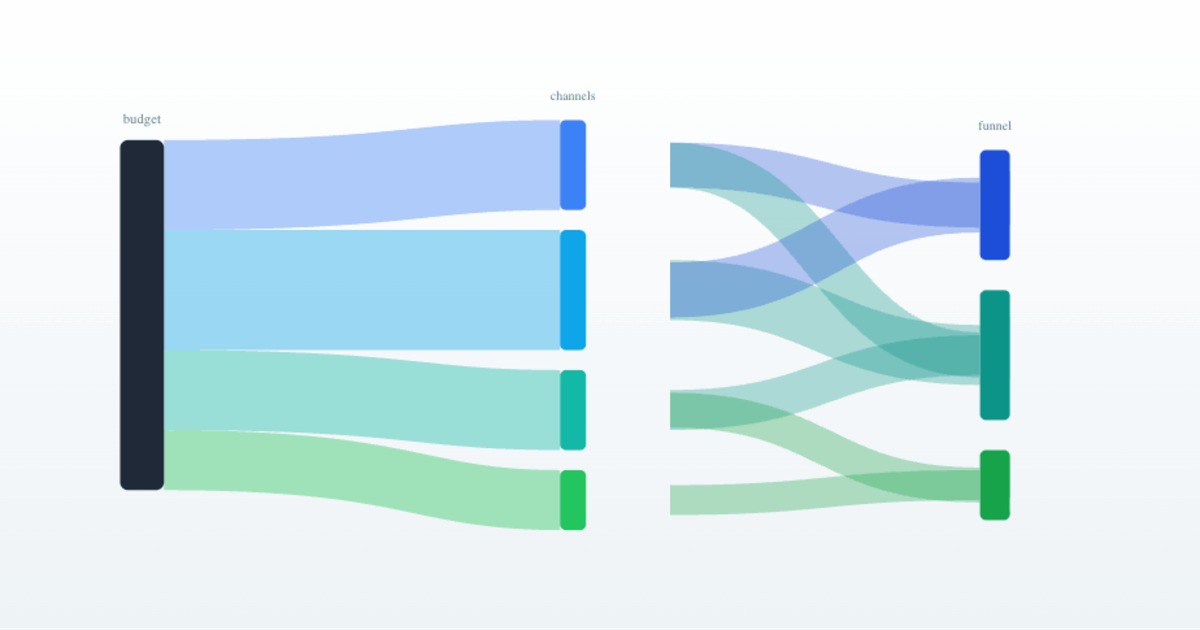
40–50% to retargeting — email list, website visitors, video viewers, engagers. These are your proven warm audiences and should get the most budget.
30–40% to lookalike campaigns — built off your customer list and recent purchasers, seeded with Q4 data
15–20% to broad prospecting — use your tested winning creative, broad targeting, let the algorithm work
Budget ramp pacing:
Don't go from $200/day to $1,000/day overnight
Increase by 20–30% maximum every 48 hours
Watch CPA trends in the first 24 hours after each increase before increasing again
Creative rotation:
Swap in your Q4 holiday-themed creative for BFCM week — but keep the offer the same as what tested well in October
Have 3+ creatives per ad set — fatigue can hit in 48 hours at high BFCM volume
Brands that lose Q4
Start thinking about Q4 in October or November
Ramp budgets aggressively in November, trigger learning phase
Run cold prospecting as primary Q4 strategy
Repurpose summer creative with a 'Black Friday' overlay
No CPA guardrails — discover problems manually, too late
Brands that win Q4
Start building warm audiences in September
Ramp slowly in 20–30% increments, preserve learning stability
60%+ of Q4 budget on warm retargeting audiences
Test Q4 offers and creatives in October before scaling
Automated CPA rules set before BFCM week begins
Post-BFCM: Don't stop cold on December 1
A common mistake: brands run hard through Black Friday and then cut spend sharply the first week of December. This drops campaigns back into the learning phase and wastes the audience signal built during BFCM.
December is still valuable ad spend. The mindset shift for December:
Gift-giver targeting rather than personal purchase intent
Urgency around shipping deadlines (last order by Dec 18/19 for Christmas)
Shift messaging from "sale" to "the gift they actually want"
Keep winning BFCM audiences running — they're still warm
Q4 budget allocation: the brands that put 40–50% on warm retargeting consistently outperform those that go heavy on cold prospecting during the BFCM window.📷 Unsplash
What to do this week
Today:
Launch a video-view campaign on Meta, $25/day, broad demographic targeting, your best product video. You're building an audience, not selling.
Upload your full customer email list to Meta and Google as Customer Match.
This week:
Create Instagram Story engagement campaign, $15/day. Drive profile visits and saves.
Set up Google RLSA campaign layer on your brand keywords for 90-day website visitors.
Audit your Conversions API setup in Meta Events Manager.
Next week:
Draft 2–3 Q4 offer structures to test in October. Start with your best-performing summer offer as baseline.
Write your BFCM automated CPA rules now, before you need them.
Quick check
During BFCM week, your Meta CPM doubles from its September baseline. Which campaign type is most likely to remain profitable?
Q4 is won in September and October. The brands putting in the audience-building work right now will look at BFCM CPMs and shrug — they're retargeting audiences that convert well enough to be profitable even at premium prices.
The brands who wait will spend November paying 2.5× CPM to reach cold audiences with offers they haven't tested. Some will get lucky. Most will end Q4 flat or negative and wonder what went wrong.
“Brands that win Q4 start in September. Everyone else fights over scraps in November.”
— r/PPC, 524 upvotes
Start this week.
Q4 2026 Ads Survival Guide: Prepare for the CPM Spike Now — Fly Adsly Blog | Fly Adsly